



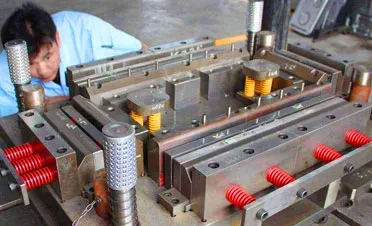

abrasive water jet machining
abrasive water jet machining
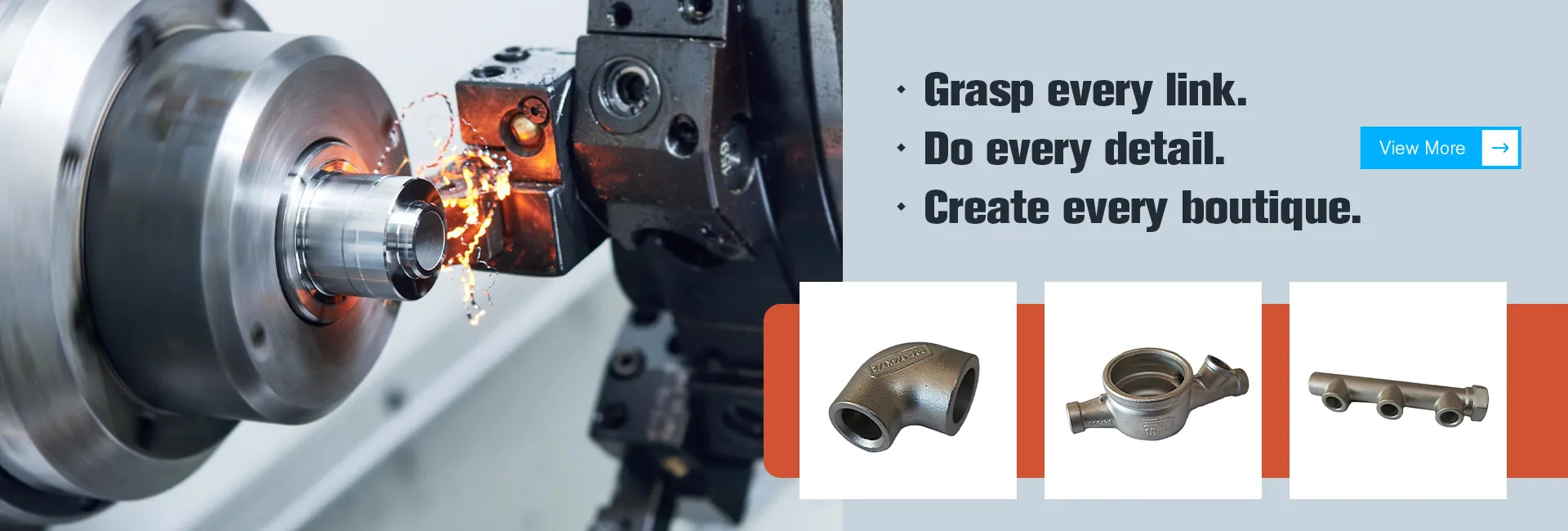
Abrasive Jet Machining An Overview of Technology and Applications Abrasive Jet Machining (AJM) is an advanced manufacturing process that utilizes a stream of high-velocity abrasive particles propelled by a gas to cut or engrave hard materials. This non-traditional machining technique has gained traction in various industries due to its ability to produce precise and intricate designs on a range of materials, including metals, ceramics, glass, and composites. In this article, we will delve into the fundamental principles of AJM, its operational mechanics, benefits, limitations, and applications. The Principles of Abrasive Jet Machining AJM operates on the principle of abrasive erosion, where high-speed jets of abrasive particles impact the workpiece surface, leading to material removal. The system typically comprises a nozzle, a pressurized air source, and a feed mechanism to introduce the abrasives. The nozzle is designed to accelerate the gas, which carries the abrasives. The choice of gas can vary, with air being the most common due to its availability and cost-effectiveness. The abrasive material, usually small particles of aluminum oxide, silicon carbide, or garnet, is fed into the gas stream through a mixing chamber. When the mixture exits the nozzle at high velocity, the kinetic energy of the abrasive particles is transformed into localized heat and mechanical stress upon impact with the workpiece. This results in material removal through both micro-fracturing and shearing processes. Advantages of AJM AJM offers several advantages that make it a desirable choice for specific applications 1. Precision and Versatility AJM can create intricate shapes and fine details, making it suitable for applications such as electronic components, aerospace parts, and artistic designs. It can operate on a variety of materials, including those difficult to machine using traditional methods. 2. No Heat-Affected Zone Unlike thermal processes such as laser cutting or waterjet machining, AJM does not produce heat-affected zones, ensuring that the physical and mechanical properties of the material remain intact. This is especially important in applications requiring high geometric accuracy and material integrity. 3. Environmentally Friendly AJM is a dry process, minimizing the use of fluids and reducing waste. This aspect aligns with increasing environmental regulations and sustainability initiatives in manufacturing. 4. Cost-Effectiveness The machinery used for AJM is generally less expensive than that required for more complex machining processes . Additionally, the abrasives can be recycled, further enhancing cost efficiency. Limitations of AJM Despite its numerous advantages, AJM is not without limitations abrasive jet machining 1. Material Removal Rate AJM tends to have a lower material removal rate compared to other machining techniques. This can limit its use in high-volume production settings. 2. Surface Finish While AJM can produce intricate details, the surface finish obtained may not always meet the stringent requirements of certain industries without additional finishing processes. 3. Abrasive Wear The wear of the nozzle and abrasives can affect performance and may require frequent replacements, adding to the maintenance costs. Applications of Abrasive Jet Machining AJM finds its applications across various sectors, including 1. Aerospace Used for precision cutting of composite materials and intricate parts in aircraft engines, where lightweight and strong components are crucial. 2. Electronics Employed in the manufacturing of circuit boards and microelectronic components, where precision is paramount. 3. Medical Devices Applied in creating complex geometries for surgical instruments and implants, ensuring tight tolerances and biocompatibility. 4. Art and Design Utilized by artists and designers to create detailed engravings and sculptures in various materials, providing a unique aesthetic quality. 5. Automotive Used in the production of high-performance components where both strength and weight considerations are critical. Conclusion Abrasive Jet Machining is a versatile and effective machining process that finds utility in various high-precision applications. With its ability to operate on diverse materials without altering their properties, AJM continues to be a valuable tool in modern manufacturing. As industries seek to improve both efficiency and sustainability, the importance of non-traditional machining techniques like AJM will likely increase, paving the way for innovation and advancement in material processing.
-
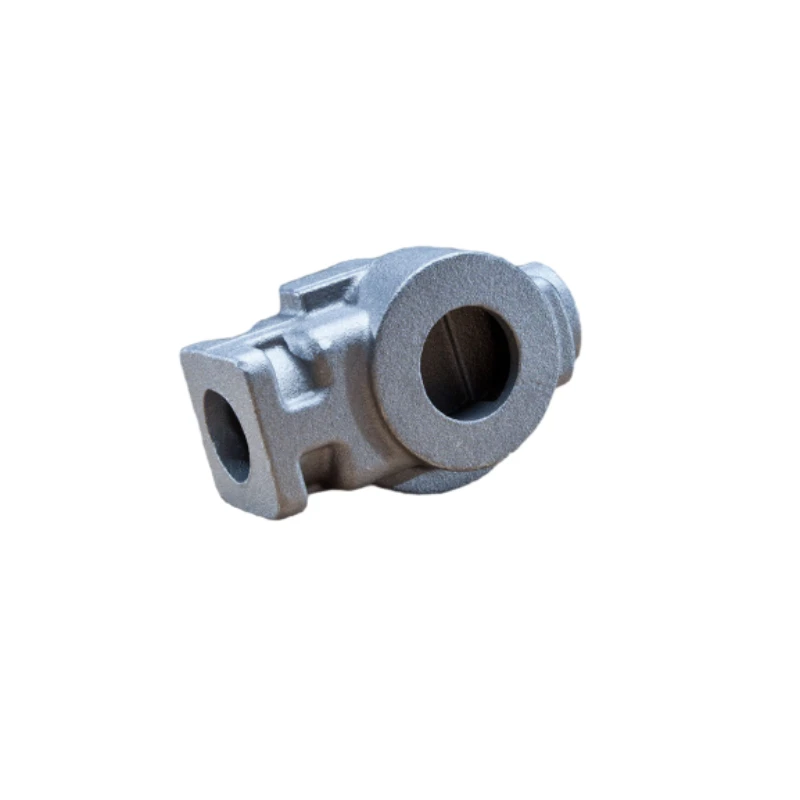 2026-06-15 16:09Products Created Through the Sand Casting Process for Various IndustriesProducts Made by Sand Casting An Overview Sand casting, one of the oldest and most versatile metal casting techniques, has been a mainstay in the manufacturing industry for centuries. Its straightforward methodology allows for the creation of complex shapes and large components, making it ideal for a wide range of products. This article explores the various products made by sand casting, highlight
 -
2026-06-15 15:27sand and die castingThe Significance of Sand and Die Casting in Modern Manufacturing In the realm of modern manufacturing, the choice of casting techniques plays a pivotal role in determining the efficiency, quality, and cost-effectiveness of production processes. Among the multitude of casting methods available, sand casting and die casting stand out as two of the most widely utilized techniques, each with its uniqu
-
 2026-06-15 15:21Rury żeliwne odlewane w piasku - właściwości, zastosowania i zalety dla budownictwaRury żeliwne odlewane w piasku wytrzymałość i zastosowanie Rury żeliwne odlewane w piasku to jeden z kluczowych elementów w budownictwie i infrastrukturze. Ich popularność wynika z wyjątkowej wytrzymałości i trwałości, które sprawiają, że są idealne do transportu wody, gazu, a także różnych substancji chemicznych. W artykule tym omówimy proces produkcji tych rur, ich cechy oraz zastosowania. Produ
 -
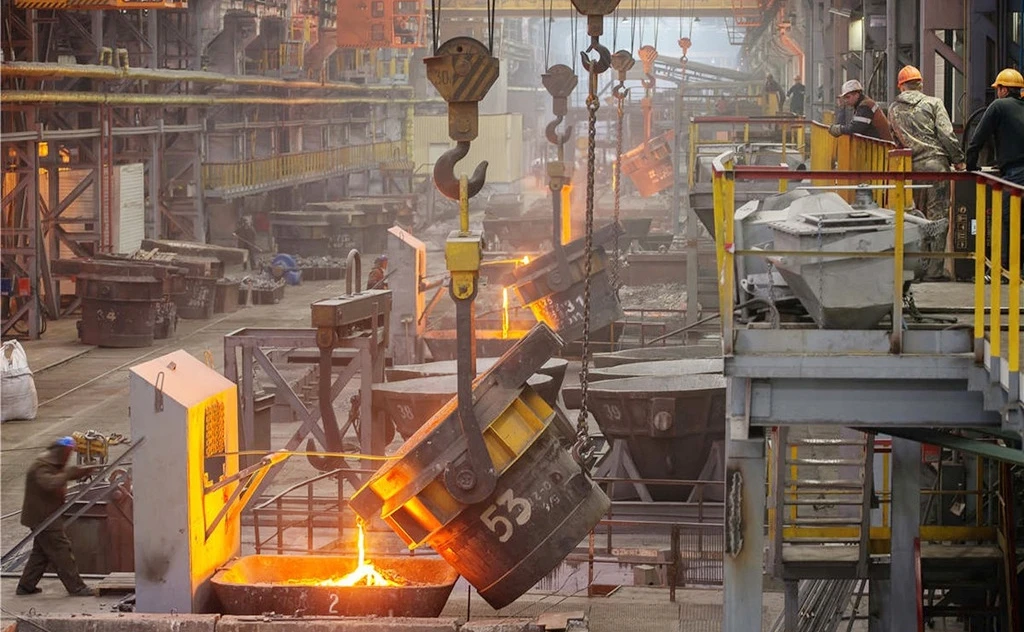 2026-06-15 15:10sand casting working principleSand Casting Working Principle Sand casting, one of the oldest and most widely used metal casting processes, relies on the unique properties of sand to create molds for metal shaping. This versatile and cost-effective method is particularly favored for its ability to produce complex geometries with fine details. Understanding the working principle of sand casting involves examining key elements su
 -
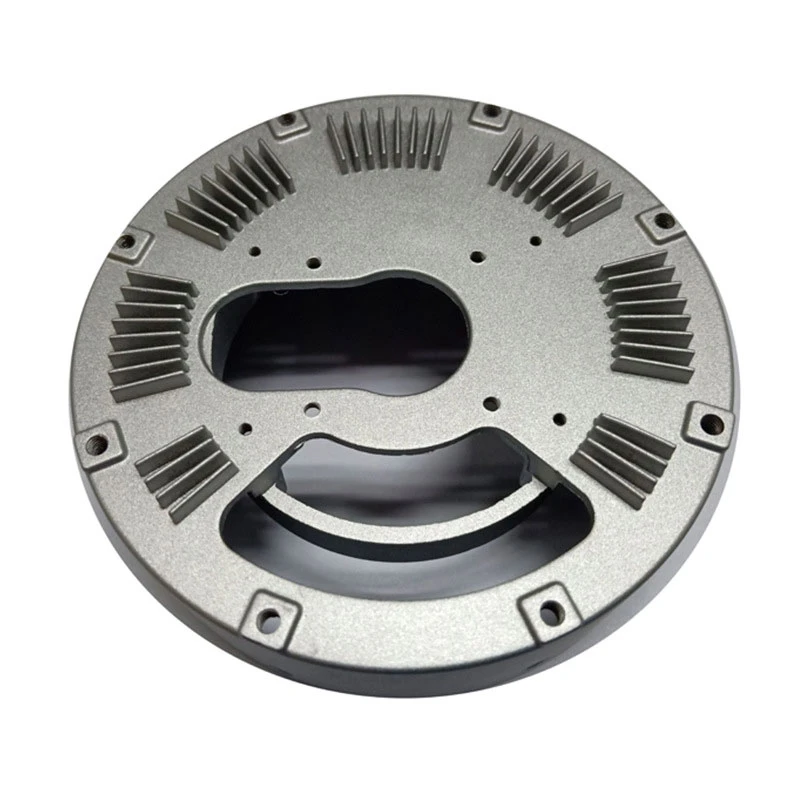 2026-06-15 14:25ultra precision machiningUltra Precision Machining The Next Frontier in Manufacturing In today's rapidly evolving technological landscape, the demand for precision in manufacturing has reached unprecedented heights. Ultra precision machining (UPM) has emerged as a crucial solution to meet these stringent demands. This advanced manufacturing process is characterized by its ability to produce components with exceptionally t